
Your Winnipeg business just survived another punishing Manitoba winter. Now the humidity and heat are about to test your commercial HVAC system in the opposite direction. Between tourist season foot traffic, retail surges, and employees counting on reliable cooling, your air conditioning can't afford to fail in July.
Preparing your commercial HVAC Winnipeg system before summer demand peaks protects revenue, preserves inventory (especially for restaurants and grocery operations with refrigeration), and keeps your team productive. A pre-season tune-up in June catches small issues before they become expensive emergency repairs during your busiest weeks. Here's your step-by-step checklist to get your cooling system summer-ready.
Why June Is Your Last Window for Commercial HVAC Maintenance

Waiting until the first heat wave hits means you're already behind. Winnipeg's swing from winter lows that reach -40°C to summer highs pushing past 30°C (with humidity that makes it feel even hotter) puts unique strain on commercial cooling systems.
The Cost of Downtime During Peak Season
Restaurants lose perishable inventory when walk-in coolers fail. Retail stores see customers walk out when indoor temperatures climb. Office workers lose focus and productivity drops when comfort disappears. Every hour of HVAC downtime during summer costs you revenue, and emergency service calls during peak demand come with premium pricing and longer wait times.
What Happens Between Heating and Cooling Seasons
Your system sat idle or ran minimal ventilation for months. Dust accumulated on coils, refrigerant levels may have shifted, and mechanical components that were dormant all winter need inspection before they're asked to run 12+ hours daily. Small refrigerant leaks that didn't matter in March become critical failures in June.
Booking Advantage
Scheduling your commercial HVAC maintenance now, before the summer rush, means you get priority service windows, avoid the July panic calls, and lock in maintenance rates before emergency pricing kicks in. Since 2016, Highmark Mechanical Solutions has helped Winnipeg businesses avoid summer shutdowns with pre-season inspections that catch problems early.
Your Pre-Summer Commercial Cooling System Checklist
A comprehensive June inspection covers every component that keeps your business cool. Here's what your certified HVAC technician should evaluate and tune before summer arrives.
Condenser Unit Inspection and Cleaning
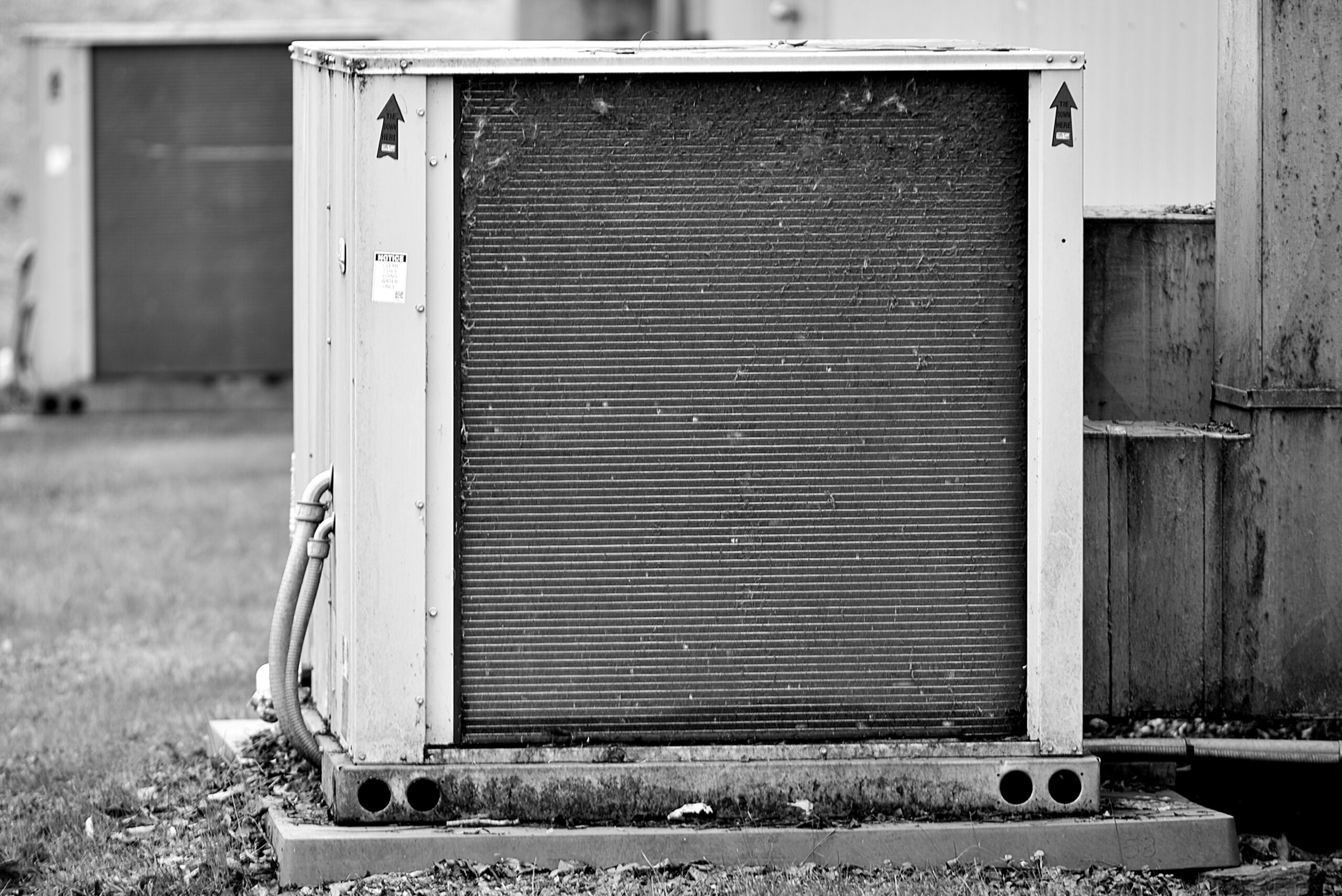
Your outdoor condenser unit worked hard all winter (if you run heat pumps) or sat exposed to Manitoba's freeze-thaw cycles, road salt spray, and spring debris. Dirt, cottonwood seeds, and grime clog condenser coils and force your system to work harder, spiking energy bills and shortening equipment life.
Critical condenser tasks:
- Remove debris and vegetation within 2 feet of the unit
- Clean condenser coils with professional-grade coil cleaner (not a garden hose)
- Inspect fan blades for damage or imbalance
- Check electrical connections for corrosion
- Verify proper airflow and no obstructions
Clogged condenser coils can reduce system efficiency by 30% or more, meaning you're paying for cooling power you're not getting.
Refrigerant Level Check and Leak Detection
Refrigerant doesn't get "used up" in a properly functioning system. If levels are low, you have a leak. Running a system with insufficient refrigerant forces the compressor to work overtime, leading to premature failure and repair bills that often reach substantial amounts for commercial units.
Refrigerant service includes:
- Measure refrigerant charge against manufacturer specs
- Perform electronic leak detection on all refrigerant lines
- Repair any leaks before topping up refrigerant
- Verify proper subcooling and superheat readings
Modern refrigerant regulations mean leak repairs aren't optional. Environmental compliance requires fixing leaks before adding refrigerant, and Manitoba regulations align with federal standards. Construction — Wikipedia
Thermostat Calibration and Control System Testing
Your thermostat is the brain of your HVAC system. If it's reading temperatures incorrectly or cycling equipment at the wrong intervals, you're wasting energy and creating uneven comfort zones that frustrate employees and customers.
Control system verification:
- Test thermostat accuracy with a calibrated thermometer
- Verify setpoint programming matches your business hours
- Check for proper communication between thermostat and equipment
- Inspect wiring for loose connections
- Test zone controls if you have a multi-zone system
Upgrading to a smart commercial thermostat with scheduling and remote monitoring often pays for itself within one cooling season through optimized runtime and early problem alerts.
Air Handler and Blower Inspection
The air handler circulates cooled air throughout your building. Worn blower belts, dirty blower wheels, and clogged filters choke airflow and make your system run longer to achieve the same cooling effect.
Air handler maintenance tasks:
- Replace or clean all air filters (monthly replacement during summer is ideal)
- Inspect and adjust blower belt tension
- Lubricate motor bearings if applicable
- Clean blower wheel and housing
- Check drainage pan and condensate line for clogs
Clogged condensate drains cause water damage and create mold risk. In humid Winnipeg summers, your commercial system can produce substantial amounts of condensate daily. A blocked drain line means that water has nowhere to go but into your ceiling or walls.
Ductwork and Ventilation Assessment
Leaky ductwork wastes up to 30% of your cooled air into unconditioned spaces (ceiling voids, mechanical rooms, outdoors). Sealing ducts and verifying proper insulation keeps expensive cooled air where it belongs: in your customer and employee spaces.
Ductwork inspection points:
- Check all accessible duct joints for gaps or disconnections
- Verify duct insulation is intact (especially on rooftop or attic runs)
- Inspect dampers for proper operation
- Test supply and return air balance
- Check for proper ventilation rates per occupancy
Restaurants and commercial kitchens have additional ventilation requirements. Make-up air units and exhaust hoods need coordination with your HVAC system to prevent negative pressure that pulls in hot outdoor air or causes comfort problems.
Electrical Component and Safety Testing
Electrical failures are the most common cause of mid-summer commercial HVAC breakdowns. Loose connections, worn contactors, and failing capacitors show warning signs during inspection that prevent emergency shutdowns later.
Electrical system checks:
- Measure voltage and amperage on all motors
- Test capacitors for proper microfarad ratings
- Inspect contactors for pitting or wear
- Tighten all electrical connections
- Verify proper grounding and safety disconnects
- Test safety controls and limit switches
A failing capacitor costs a modest amount to replace during a scheduled maintenance visit. The same failure during a July heat wave becomes a significant emergency service expense plus lost business hours while you wait for a technician.
Summer HVAC Efficiency Tips for Winnipeg Businesses
Beyond mechanical maintenance, operational strategies keep your commercial cooling system running efficiently all summer without spiking your utility bills.
Optimize Your Temperature Setpoints
Every degree you lower your thermostat below 22°C increases cooling costs by roughly 3-5%. Setting your thermostat to 23-24°C during business hours balances comfort with efficiency. Raise setpoints by 2-3 degrees during closed hours (but never turn cooling completely off if you have inventory or equipment sensitive to heat).
Schedule Cooling Around Occupancy
Programmable thermostats let you ramp up cooling 30 minutes before employees or customers arrive and scale back during low-traffic periods. Restaurants can reduce cooling in dining areas between lunch and dinner rush. Retail stores can adjust based on weekend versus weekday foot traffic patterns.
Address Heat Gain Sources
Winnipeg's long summer daylight hours mean extended solar heat gain through windows. Installing UV-blocking window film, using blinds during peak sun hours, and ensuring door sweeps seal properly all reduce the load on your HVAC system. Commercial kitchens should verify exhaust hoods are capturing heat at the source rather than letting it spread into dining areas.
Maintain Consistent Filter Replacement
Don't wait for your next professional maintenance visit to change filters. During summer, when your system runs daily, monthly filter replacement prevents airflow restriction and keeps indoor air quality high. Clogged filters are the easiest problem to prevent and the most common cause of reduced system performance.
When to Call for 24/7 Emergency HVAC Support
Even with perfect pre-season maintenance, unexpected failures happen. Knowing the warning signs helps you call for service before a minor issue becomes a total system shutdown.
Red Flag Symptoms
Call immediately if you notice:
- Unusual noises (grinding, squealing, banging)
- Refrigerant or chemical odours
- Visible ice formation on refrigerant lines or coils
- Erratic cycling (system turns on and off every few minutes)
- Rising indoor temperatures despite system running continuously
- Water pooling around indoor air handler units
- Electrical burning smells or tripped breakers
Highmark Mechanical Solutions provides 24/7 emergency HVAC-R service across Winnipeg and surrounding communities because we know commercial businesses can't afford extended downtime. Whether you operate a restaurant with walk-in coolers full of inventory or a retail space during peak tourist season, immediate response protects your revenue and reputation.
The True Cost of "Wait and See"
Delaying service when you notice problems typically triples repair costs. A worn bearing that could have been replaced for a modest cost destroys a motor that becomes substantially more expensive. A small refrigerant leak that could have been repaired economically runs your compressor dry and creates a significant replacement expense.
Winnipeg business owners who maintain a relationship with a certified commercial HVAC provider get priority emergency response and often avoid emergency situations entirely through proactive monitoring and preventative maintenance contracts.
Preventative Maintenance Contracts: Your Summer Insurance Policy
The most reliable Winnipeg businesses don't gamble with their commercial HVAC systems. They invest in preventative maintenance contracts that include scheduled inspections, priority service, and planned component replacement before failures occur.
What a Commercial Maintenance Agreement Includes
A comprehensive commercial HVAC maintenance contract typically covers:
- Scheduled seasonal inspections (minimum twice yearly: pre-summer and pre-winter)
- Priority scheduling for service calls
- Discounted labour rates on repairs
- Detailed equipment performance reporting
- Planned component replacement tracking
- 24/7 emergency service access
Since 2016, Highmark Mechanical Solutions has kept Winnipeg commercial clients operating smoothly with customizable maintenance agreements tailored to each business's hours, equipment, and risk tolerance. A restaurant with refrigeration-dependent inventory needs more frequent visits than a low-occupancy office building.
The ROI of Planned Maintenance
Businesses with maintenance contracts see 40-50% fewer emergency breakdowns, 15-20% lower energy costs through optimized system performance, and extended equipment lifespan that delays expensive capital replacement by years. Your HVAC system is one of your largest infrastructure investments. Protecting it with professional maintenance costs a fraction of premature replacement.
Frequently Asked Questions
How early should I schedule commercial HVAC maintenance before summer?
Book your pre-summer commercial HVAC inspection in May or early June, before the heat arrives and service demand spikes. This gives your technician time to order any needed parts and complete repairs before you need cooling. Waiting until the first heat wave means competing with every other business for emergency service appointments.
What's the difference between residential and commercial HVAC maintenance?
Commercial systems run longer hours, serve higher occupancy loads, and often include specialized components like economizers, make-up air units, or integrated refrigeration. Commercial HVAC maintenance requires certified technicians familiar with three-phase power, commercial controls, and building code compliance that doesn't apply to residential systems. The stakes are also higher because downtime costs you revenue, not just comfort.
Can I perform any commercial HVAC maintenance tasks myself?
You can handle basic tasks like monthly filter replacement, keeping outdoor units clear of debris, and monitoring thermostat settings. However, refrigerant work, electrical testing, and mechanical component inspection require certified technicians with specialized tools and training. DIY repairs on commercial systems often void warranties and create liability issues if something goes wrong.
How much does summer downtime actually cost a Winnipeg business?
Costs vary by industry. A restaurant loses perishable inventory worth significant amounts if refrigeration fails. Retail stores see customers leave when indoor temperatures become uncomfortable, directly impacting daily sales. Offices experience productivity drops and potential staff complaints. Beyond immediate revenue loss, you're paying for emergency service calls at premium rates. Preventing downtime through scheduled maintenance is always cheaper than reacting to failures.
Get Your Winnipeg Commercial HVAC Summer-Ready Now
Your cooling system will be tested by Manitoba's humid summer heat starting next month. The businesses that prepare now avoid the revenue loss, stress, and premium costs that come with emergency breakdowns during peak season.
Highmark Mechanical Solutions has kept Winnipeg commercial HVAC systems running reliably since 2016. Our certified technicians understand the unique demands of Manitoba's climate extremes and the pressure your business faces when systems fail. Whether you need a one-time pre-summer inspection or want to explore preventative maintenance contracts that give you peace of mind year-round, we customize solutions to your operation.
Don't wait for the first heat wave to discover your commercial HVAC Winnipeg system isn't ready. Schedule your pre-summer commercial HVAC inspection today by calling +1 (204) 390-1044 or visiting https://highmarkhvac.ca. Your business deserves reliable cooling when your customers and employees need it most.